香港政府創新科技署 (Innovation and Technology Commission) 招聘最新動向,【機電工程師 Electrical and Mechanical Engineer 】的招聘工作現正進行(2023年11月17日申請截至):


相關薪酬、入職條件、申請手續如下:

詳情亦可查閲公務員 【政府職位空缺查詢系統】
香港政府創新科技署 (Innovation and Technology Commission) 招聘最新動向,【機電工程師 Electrical and Mechanical Engineer 】的招聘工作現正進行(2023年11月17日申請截至):
相關薪酬、入職條件、申請手續如下:
詳情亦可查閲公務員 【政府職位空缺查詢系統】
一般來說,低壓電容補償櫃由櫃殼/櫃體、匯流排、斷路器、隔離開關,繼電器、接觸器、電容器、電抗器、一/二次導線、端子排、功率因數自動補償控制裝置、盤面儀表等組成。
基本元件及其結構
1. Visual check (外觀及內部元件檢查)
Purpose of Test: To check the general construction of the capacitor bank.
Procedure:
(1) Record the capacitor bank model, serial number and parameters on the attached test form.
(2) Visual inspection for the following items:
(3) Record the result on the test form.
2. Insulation Resistance Test for Main Switchgear & Busbar Chamber / Megger Test (絕緣電阻測試)
Purpose of Test: To check the insulation of the main switchgear & busbar chamber.
Procedure:
(1) Check the busbars under test are connected correctly in accordance with the drawing.
(2) Turn off the main switch and all control fuses shall be withdrawed.
(3) Connect the 1000V direct current insulation tester to phase L1 and earth. After each test discharge and earth busbars before disconnection. Check the insulation resistance and record on the approved test form.
(4) Repeat this test on phase to phase, phase to neutral and neutral to earth. The insulation resistance should not be less than 1 MΩ.
(5) Record the result on the test form.
3. Capacitor Bank Charging & Discharging Test and Auto Mode Simulation Test (電容器充放電測試及功率補償控制器自動控制測試)
Purpose of Test: To check if the capacitor bank charging and discharging normally.
Procedure:
Manual mode test of the capacitor step switch in/ Out by pressing the “<>” button at the power factor regular
(1) Close the fuse holders feeding the first stage capacitor & provide the minimum current for the P.F. controller.
(2) Press the “<>” button, the first stage capacitor step will switch in instantaneously and the corresponding step indicator in the PFR will come on
(3) Measure the capacitor terminal voltage and current and record the result on the test form
(4) Press the “<>” button, the first stage capacitor step will switch out instantaneously and the corresponding step indicator in the PFR will go out
(5) Open the first stage fuse holder feeding the switched capacitor step, 60 seconds then measure the discharged capacitor terminal voltage and enter the data into the test form
(6) Press “+” or “-“ button to repeat the above procedure for the remaining stage until all stages are tested ( Remark : only one set can be tested at a time.)
Auto mode simulation test of the capacitor step switch In / Out for Power Factor Regulator only
(7) Inject current to Power Factor Regulator to simulate the power factor value, for example, input a current to make the P.F. as 0.89 (any value smaller than 0.90 ) inductive load and the set target P.F. to 0.90 inductive load, the regulator will auto switch in the step of capacitor bank from step 1 to step 6 to make the target P.F. and then change the current flow direction to simulate the over compensation of P.F. and the P.F. will be changed to 0.89 capacitive load from inductive load, and the capacitor bank will be switch out from step 1 to step 6.
(8) The simulation test of auto mode is completed and record result on the test form
4. Ventilation Fan Function Test (散熱風扇功能測試)
Purpose of Test: To check the function of the ventilation fan.
Procedure:
(1) Turn the ventilation fan mode selector into Manual position, the ventilation fan will be turn on permanently.
(2) Turn the Ventilation Fan mode selector into OFF position, the ventilation fan will be turn off permanently.
(3) Turn the ventilation fan mode selector into Auto mode, the ventilation fan will be controlled by the thermostat controller.
(4) Record the result on the test form.
在前一篇,我們介紹了低壓制櫃的FAT和SAT測試中Function Test 功能測試(TP5),以及ATS的Test (TP9)。見鏈接:
_3.jpeg)
(1) Arrangement of Test PanelCheck that the arrangement of the L.V Switchboard under test is correct and record all necessary information on the approved test form.(2) Test ConnectionsTest connections are fitted to each loaded circuits and short circuited at their remote end from the switchboard with the dimension of test conductors.Test current for the test is provided via 3 current transformers (1 per phase). These current transformers are connected to three individually variable voltage supplies, one per phase, for the provision of adjustment of the injected current independently. The typical connection method is shown in the figure of this section.(3) Current MeasurementAll outgoing circuits are equipped with one CT for each phase. Each of these CT's is then connected to an ammeter for current measurement. This arrangement facilitates regular monitoring of the intake current and distribution of the current to each test circuit.(4) Temperature MeasurementTemperatures are measured using thermocouples and temperature loggers.Thermocouples are adhered to the busbar surface by flame retardant tape at points of particular interest, where high temperatures are likely to be experienced. Details of the positions of thermo-couples are marked on the L.V Switchboard layout drawing.Ambient temperature is measured from the average of two thermo-couples adhered to both sides of the switchboard at least 1 metre apart from each other and approximately 1.2 metres above the ground.The locations of the thermocouples are shown on the temperature-rise test drawing. (Test points的數量及位置在測試需要經過業主/工程師審批,一般沿著主bar會儘量在不同節點設置Test points)
(5) Duration of TestCurrent is applied until temperature rise approaches the steady state, i.e. rising at not more than 1°C per hour, as stipulated by clause 10.10.2.3.1 of BS EN 61439-1:2011. During this period, slight mains voltage variations and increasing impedance of the test piece necessitate an occasional adjustment to the applied voltage. Temperatures are measured at hourly intervals throughout the test.(Temperature loggers會自動記錄並保存溫度數據)(6) Test ResultThe temperatures measured in each hour are recorded on the client-approved test form. The temperature rise shall not exceed the values as stipulated in Table 6 of BS EN 61439-1:2011.
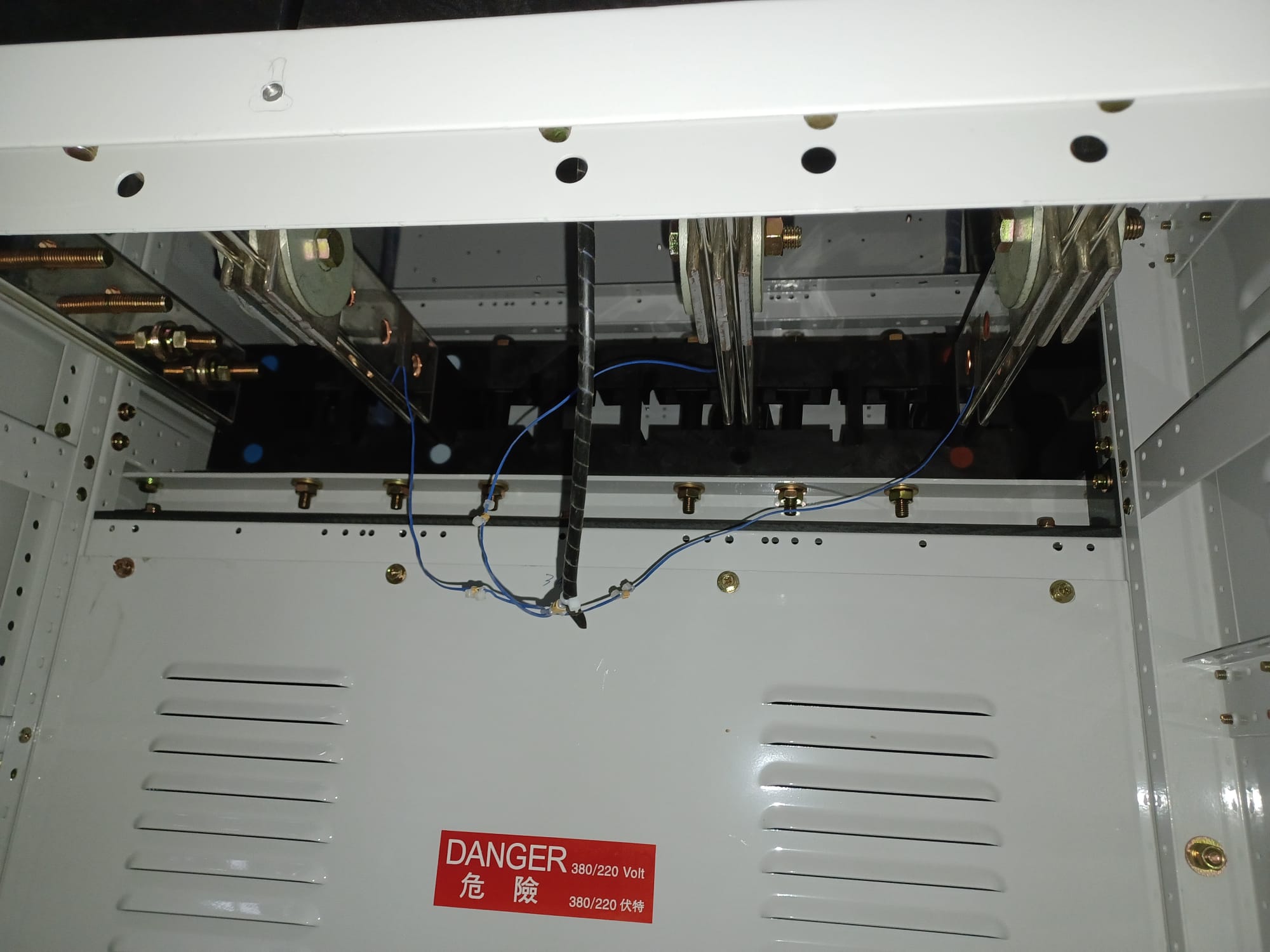
.jpeg)
.jpeg)


當工程已經進入到施工階段,我們會根據顧問公司當初設計時提供的電纜大小進行覆核計算。這時,我們常常會遇到有些cable sizing無論如何都解決不了CCC,voltage drop,copper loss等問題。在這時,我們有哪些特別的解決辦法呢?今天,我們就來探討一下。

1. 發電機至末端電纜的copper loss的計算不需要符合BEC的要求。
注意:這裏不僅包括消防(Cat 1)發電機也包括非消防(Cat 2)發電機(常常會忽略非消防發電機,如下圖BEC解釋):


2. 若CCC滿足不了protective device的要求,注意檢查兩點:
1)檢查電纜數量是否正確,total CCC有無根據電纜數量放大。
2)檢查電纜的grouping factor是否可以放大。根據CoP,一般情況下grouping factor設置為0.72,但如果電纜橋架只有一條電纜,或者電纜排列較疏,間隔超過一個dia,那麼可以放大,最高至1。
如果檢查之後仍要放大電纜,再去看看保護開關是否預留過大,可否縮小。
3. 當voltage drop和copper loss同時出現Fail狀態時
檢查一下線路的loading是否合理。在施工階段,應該可以基本得到該線纜的實際loading,而不應再使用設計時的預留負荷(預留負荷常常過大)
4. 計算發電機電纜時的負荷不同於正常負荷
在第三點的基礎上,在計算發電機電纜時,線路負載的大小一般不應與正常負載大小相等。因為發電機啟動時的負載一般比正常情況要小。
5. 適當調整預留給末端設備的最後1%
對於Voltage Drop,CoP要求有變壓器supply terminal到末端用電設備的大小不超過4%。在計算時常常計算至末端設備前一端的MCB/MCCB/LMCP為3%,為末端設備預留1%。但如果能證明到末端設備的電壓降小於1%,如供貨商提供的數據或者提供實際計算出來的數值,那麼前部分的3%則可增加至3 ~4 %之間,只要總電壓降不超過4%即可。
6. 覆核電纜長度。
有時為了方便同一間房的電纜常常假設成為統一的一個長度,在施工階段則需要根據實際情況進行覆核。一般會比設計時短一些,這裡需要留意。
以上的六個方法提供了解決電纜計算的六種思路,如果能靈活應用,應該可以解決大部分的電纜計算問題,希望對大家有所幫助。
互認協議RRAs (Reciprocal Recognition Agreements)
當成功申請到CEng之後,由於IET與HKIE的互認協議RRAs(Reciprocal Recognition Agreements),好大機會IET嘅CEng可以直接不用面試就可以成功轉會香港工程師學會。有關Char IET再轉HKIE同直接Char HKIE之分別,可參見如下鏈接中有關部分的詳細解釋:
我喺香港做工程,揀Char IET定係Char HKIE? 兩者有乜嘢分別?
當然除了IET以外,其他學會的相關認可資質亦直接轉入HKIE相應的專業。這些協會包括:
不過,每個協會的資質轉入HKIE都會有不同的要求和條件。通過分析專業資格持有人在某一學科的資格,所有的轉會申請都會由將由HKIE再度評估並分配相應的專業。根據RRAs協議,HKIE保留權利,可以完全決定是否接納任何申請人,甚至不接受申請。而且,HKIE也保留權利,在個別情況下要求進行必要的額外評估,包括額外的面試。

有關HKIE的互認協議的文件(包括詳細的要求和限制條款)可以在下面的連結找到:
關於IET和HKIE嘅互認協議,有乜嘢需要注意的?
根據M14343所寫,不是所有的IET內的專業都獲得HKIE的認可。我們看看RRAs中關於IET與HKIE互認的具體要求。

互認協議只適用於以下HKIE的專業。如果你屬於以下幾個專業並打算轉去對方的相同的專業,恭喜你,IET和HKIE之間可以相互認證, 從而有很大機會不用參加HKIE的面試和筆試。而且,IET CEng的獲得必須是通過interview得來,我個人的理解是,IET的CEng不可以由其他學會轉會而來,也就是不可以是Engineers Australia轉入IET再轉入HKIE。IET可以轉入HKIE的相關專業如下:
這里之所以說有“很大機會”而不是“絕對”,主要是因為在IET轉去HKIE的過程中,如果HKIE覺得你申請材料裡面所寫的資歷不能達到他們的要求,也有可能需要再次進行HKIE的面試和筆試。這種情況由條款的第二條可以看出,在申請中,申請人必須寫明想要轉入的HKIE專業,申請人須在申請書中強調相關工作經驗,包括在某些項目中的職責和責任。
申請材料
RRAs的主要申請材料包括(參考我個人所提交的資料):
0)Checklist for Application;(必要,對於IET的轉會HKIE,不需要提交有關submission)

1)Application Form 1/MD;(必要,填寫好的1/MD申請表,相關的HKIE專業一定要選對應自己的專業)

2)Photocopies of Academic Qualifications - (For Form 1/MD Section B);(必要)
3)Photocopies of Professional Qualifications - (For Form 1/MD Section C);(必要)
4)Photocopies of Formal Training - (For Form 1/MD Section D);(非必要,如有參加Scheme A training可提交certificate)

5)Professional Experience - (For Form 1/MD Section E);(可直接在1/MD申請表中填寫相關經歷。但由於1/MD表格中可寫的篇幅較短,只可以概括的描述工作性質,我個人擔心寫的不夠充分會需要補充資料甚至面試,所以我索性在1/MD中寫“Please refer to separate sheet attached”,然後直接把我IET的application report附在了申請材料後面。)

6)CV ;(非必要,我個人覺得可能對申請有幫助,所以有加入申請材料)
7)Payment Form;(必要)
我所有的申請資料總結如下,自己也專門準備了一張table of contents做申請資料的cover。說明一下,對於4.2,由於申請時還未有拿到UK Engineering Council的CEng的certifiacte,只有一個registration number,因此我提交了網頁上關於UK Engineering Council的查詢記錄網頁截圖。


準備好所有資料,找到兩個HKIE ELL Member加簽,買個大信封裝入去寄去HKIE或者直接拎去HKIE都得。之後就是漫長的等待。我本人應該是去年8月初寄出申請材料,HKIE 8月10號回email話收到申請,中間我11月中send左一次email問進度,答覆已經forward比panel做consideration。到今年1月27號收到信件獲批。中間未有要求提交任何補充資料,亦不需要增加面試及筆試環節。之後就4月收到了正式的MHKIE的Certificate。至此,由IET轉會至HKIE之路暫告一段落。


終極問題——HKIE是否要再加試?
從身邊人的例子,我個人覺得RRAs不再需要面試或筆試的兩條重要標準:
1)Degree 專業 = IET 申請報告中工作經歷 = 現時工作經歷
由於IET是沒有區分或者細化專業領域,因此,HKIE判斷可否轉入其專業主要是依據你的degree專業以及工作經歷。如果你的degree專業完全符合你的工作性質,以及跟IET申請報告中的工作經歷完全符合,一條龍服務,那麼很大機乎不需要再面試+筆試。
因此,如果係想轉入HKIE嘅ELL分部,呢件事細化為三種情況:
1)如果degree專業係EL,日常工作主要做BS中的電氣部分,Char IET一定唔會錯,唔好Char MCIBSE(雖然做EL都可以Char MCIBSE,但Char到一定轉唔到HKIE(ELL),轉HKIE(BSS)亦有機會比加試);
2)如果degree專業係BS,日常工作主要做電氣,請儘量Char MCIBSE亦唔好Char IET(即使Char到IET,一定轉唔到HKIE(BSS),轉HKIE(ELL)亦有好大機會比加試);
3)如果degree專業係EL,日常工作主要做BS,但EL亦係部分工作內容,即使仲會做MVAC,PD,FS,個人建議都照Char IET。(即使Char到MCIBSE,一定轉唔到HKIE(ELL),轉HKIE(BSS)亦有機會比加試;Char IET時可重點介紹電氣部分工作經歷,轉HKIE(ELL)可重點講述電氣部分的工作經歷,減少比加試嘅機率)
2)Consultant or Contractor Experience
拿到CEng的時候consultant experience < 6 years or contractor experience < 10 years 的話,要求面試的概率 > 90% ; consultant experience > 6 years or contractor experience > 10 years 的話要求面試的概率約為20~30%. 如果符合第一條的話,概率可基本降至5%以下。
__________________________________________________________________________
總結出來的全套複習資料(包括申請文件模板Sample)放在下面這個連接供大家參考(資料整理及分享也會很辛苦,有不足之處希望大家理解),最後祝願大家都可以順利獲得CEng Chartership!
復習資料鏈接:Preparation Materials for IET Chartership
上一章,我們簡單介紹了低壓配電系統中保護開關上下級協調的定義,分類等。這一章,我們看看不同保護器件之間協調有什麽不同。


香港特別行政區政府教育局於2008年5月5日正式推行資歷架構。香港的資歷架構是一個七級的資歷級別制度,涵蓋學術、職業專才及持續教育及培訓等不同界別,藉此推廣及支持終身學習,並在日益全球化和知識為本的經濟體系中,不斷提升我們工作人口的素質,專業性和競爭力。
職業資歷階梯為行業提供了進修及就業的進階路線圖。進修人士或從業員可透過獲得不同的工作崗位為本資歷,在行業的不同層次得到進一步發展的機會。
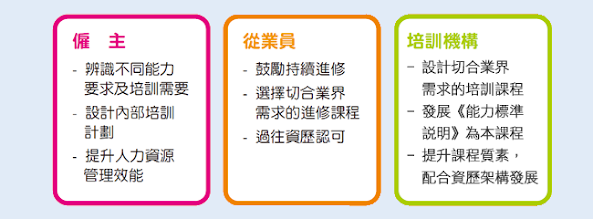
職業資歷階梯的主要目的
職業資歷階梯上的崗位為本資歷能證明進修人士已接受足夠的培訓,以及具備從事特定工作的能力,對僱主聘用人才時具有效的參考價值;
協助教育及培訓機構設計更切合行業需要的培訓課程,加強學習與工作之間的連繫;
為年輕人提供行業的就業進階資訊,以吸引他們入行,及協助他們訂定相應的進修計劃; 及
讓有意入職及在職人士掌握不同工作崗位所需要的能力,裝備自己以應付相關工作要求,為個人事業發展作好準備。
政策
設立資歷架構之主要目的是提供一個鼓勵及促進終身學習的平台,以提升香港工作人口的技能及競爭力。
上述目標將透過以下途徑實現:
法律框架
立法會於2007 年頒布的《學術及職業資歷評審條例》(第592 章)為教育局局長設立資歷架構及其相關質素保證機制提供法律框架。法例於2008 年5 月5 日全面生效,資歷架構亦同時正式推行。
根據《學術及職業資歷評審條例》,香港學術及職業資歷評審局(簡稱評審局)獲教育局局長委任為評審當局及資歷名冊當局。目前評審局按照其法定的質素保證職能,確保在資歷架構下獲認可資歷的質素及水平。
資歷名冊
資歷名冊(www.hkqr.gov.hk)是一個中央網上資料庫,載列資歷架構認可資歷及其相應進修課程的資料,而所有資歷均通過質素保證程序。
在《學術及職業資歷評審條例》(第592章)下,香港學術及職業資歷評審局被指定為資歷名冊當局。資歷名冊網站於2008年5月5日正式啟用。

在前一篇,我們介紹了低壓制櫃的FAT和SAT測試中低壓制櫃的Secondary Injection Test 次級注入測試。見鏈接:


在前一篇,我們介紹了低壓制櫃的FAT和SAT測試中低壓制櫃的Dielectric & Insulation Test 絕緣強度及絕緣電阻測試。見鏈接:
在前一篇,我們介紹了低壓制櫃的FAT和SAT測試中低壓制櫃的有關測試儀器。見鏈接:


低壓制櫃的測試可以分為三種, 低壓配電櫃本身的產品在設計上、製造工藝上需要通過ASTA驗證測試;出廠前,低壓制櫃需要進行出廠驗收測試(Factory Acceptable Test,FAT);運抵工地並完成組裝後,低壓制櫃需要進行工地現場驗收測試(Site Acceptable Test,SAT)。


